

The First Thing Television Ever Showed Was a Dollar Sign
In 1927, Philo Farnsworth's investors asked when television would start producing dollars, and he answered by pointing the camera at a dollar sign. The question stayed open for ninety-nine years, because the machine could carry an image but not a number back. That is no longer true, and this is the case for moving television out of the brand budget and onto the same dashboard as paid search.

The Seductive Illusion of "Vibe Coding"
We are dangerously close to mistaking a ten-minute frontend prototype for a completed gallery. Vibe coding lets anyone sketch the performance on stage, but building a resilient, high-performance theater still requires structural engineering. AI gives us a spectacular new paintbrush, but it doesn’t give us a structural blueprint.

The Build vs. Buy Sphere: How to Defend Your Engineering Focus
In the early days of Amazon, we learned that a blunt, batch-processed approach often outperformed a complex algorithm because it kept the business moving fast. Here we break down the "Build vs. Buy Sphere" framework, showing how technology leaders can ruthlessly protect their core intellectual property while keeping outer commodity layers modular, cheap, and disposable.

Decoupling the Solution: How to Separate the What from the How
Almost every day, someone pitches me an idea starting with, "Hey, we should build X." — a How. But if we can't discipline ourselves to define the What for our human teams, we've got no hope of directing autonomous AI agents. Here's how to decouple the problem from the solution and turn ad-hoc pitches into structured breakthroughs.

Stop Pitching, Start Writing: Why the 6-Pager is the Ultimate AI Competitive Advantage
Bullet points on a slide deck give your team (and your AI tools) fragmented ideas without context. A great six-page document provides the actual rationale. Here is a look at the art of the narrative document and how to build a corporate culture that values a plan over an idea.

Scratch Your Own Itch (And Then Everyone Else’s)
Before it became the world's favorite quick fix for a squeaky hinge, a secret formula was developed for a much bigger job: protecting nuclear missiles from rust. It failed 39 times before hitting the jackpot, but the real breakthrough came when the staff started smuggling it home to do their own chores. Check out how a high-stakes military project became an everyday household legend, and why the best ideas usually come from the most unexpected places.

The Brueghel Protocol: Why Agentic AI Demands Less Management and More Leadership
Every day, engineering teams are sailing right past critical architectural failures because they are too intoxicated by modern development velocity. We are letting autonomous tools run ahead while the details that actually matter drown in the background. Here is why the rush toward agentic software development requires less automated tracking and a lot more old-school engineering rigor.

Crossing the Chasm: The AI Skill Gap is No Longer a Slope, It’s a Cliff
When AWS was in its infancy, I made a quiet bet that our core infrastructure could run on the cloud, firewalled the project, and let an intern prove it could be done in weeks. Today, agentic coding tools are driving a shift that makes cloud migration look like slow motion. If your engineers are waiting for AI processes to fully standardize before they adopt them, they've already missed the train.
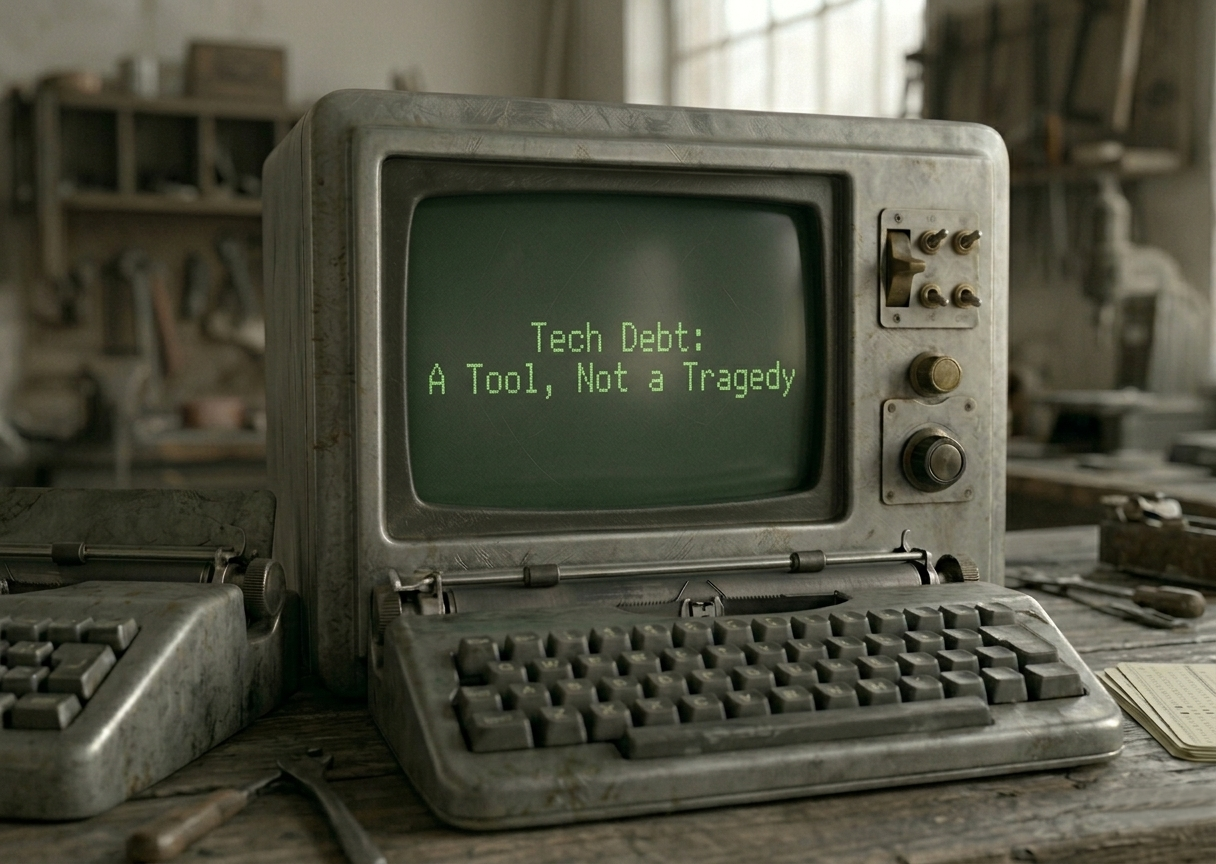
The Mortgage of Modern Software: Why Tech Debt Isn't the Boogeyman
Every company I’ve worked for treats technical debt like a dirty word, but they’ve got it all wrong. Debt isn't a moral failing; it’s a strategic tool. The real danger isn't having debt—it’s failing to track the interest you’re paying every single sprint.

The End of the "Buy" Button: Why the C-Suite Should Care About x402
Shopify and AWS aren't just joining another standards body; they are racing to build the "Digital Power of Attorney." The x402 protocol is about more than just moving money. It is about how your brand will survive when AI agents start making the purchasing decisions.
From Pixels to Protocols: Notes from the Front Lines of the AI-First Shift
Stop viewing AI agents as just "fancy scripts"; it’s time to start treating them like a digital workforce. From "Synthetic HR" to "Intervention Decay Rates," these are my notes from the front lines of the shift from pixels to protocols.

Projects Flex in Three Dimensions: The Cost of "One Small Change"
If you believe a late-stage feature request is "free," you’re not managing a project—you’re playing a dangerous game of physics. Software development exists in three dimensions, and when you pull on one, something else has to give. Here’s why the "simple" change is anything but.
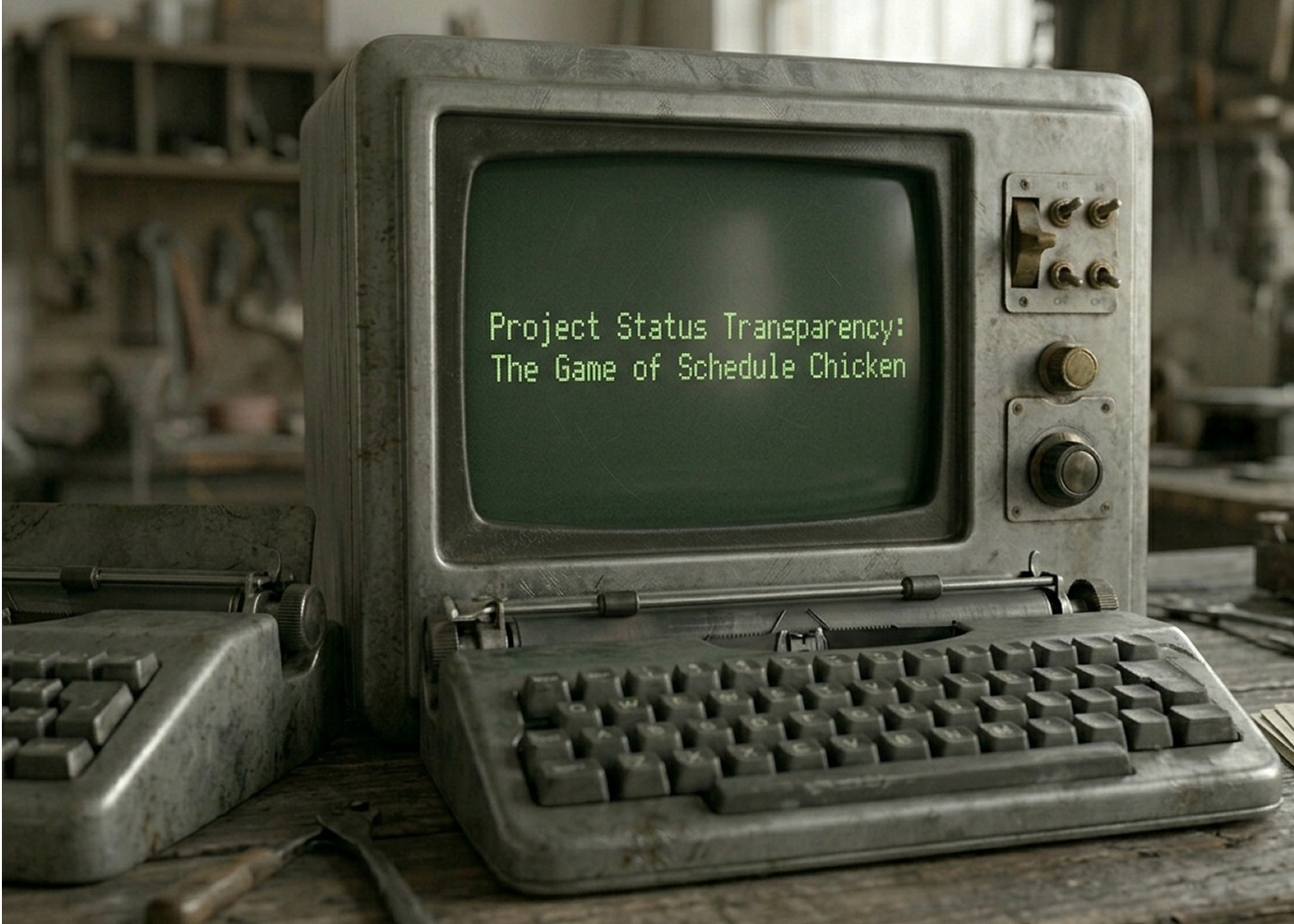
Project Status Transparency: The Game of Schedule Chicken
Engineering projects often fall into a trap called "Schedule Chicken," where teams hide delays in the hope that someone else blinks first. This post explores how a single "Red Flag" from a trusted leader broke that cycle and transformed a culture of hubris into one of radical transparency. It outlines a framework for status reporting that prioritizes early detection, factual trade-offs, and true accountability.

The Silent Assassin: Why Qwen-3 is the End of the "Closed" Era
The "Horse Race" for AI supremacy is over; the era of the "Pedigree" has begun. While Western labs build high-strung, closed-door stallions, Qwen-3 is the feral mustang built to sire the next generation of autonomous delegates.
With its Gated Delta Network architecture, Qwen-3 replaces the bloated memory of traditional models with a high-speed "metabolism" designed for the real-world demands of Agentic Commerce. It’s time to move from Pixels to Protocols and stop paying the "Valley Tax" for autonomy.

The Ghost of PowerBuilder: Why AI Democratization Needs a New Social Contract
In the early 1990s, PowerBuilder promised to liberate the business world from the "robed priests" of IT, only for those "hero" apps to become mission-critical liabilities. Today, LLMs are our new PowerBuilder, sparking a "Shadow AI" revolution that is currently gift-wrapping massive technical debt for 2030. To avoid the $2M rewrites of the 90s, we must move past the "five stages of grief" and establish a new Social Contract for AI democratization.
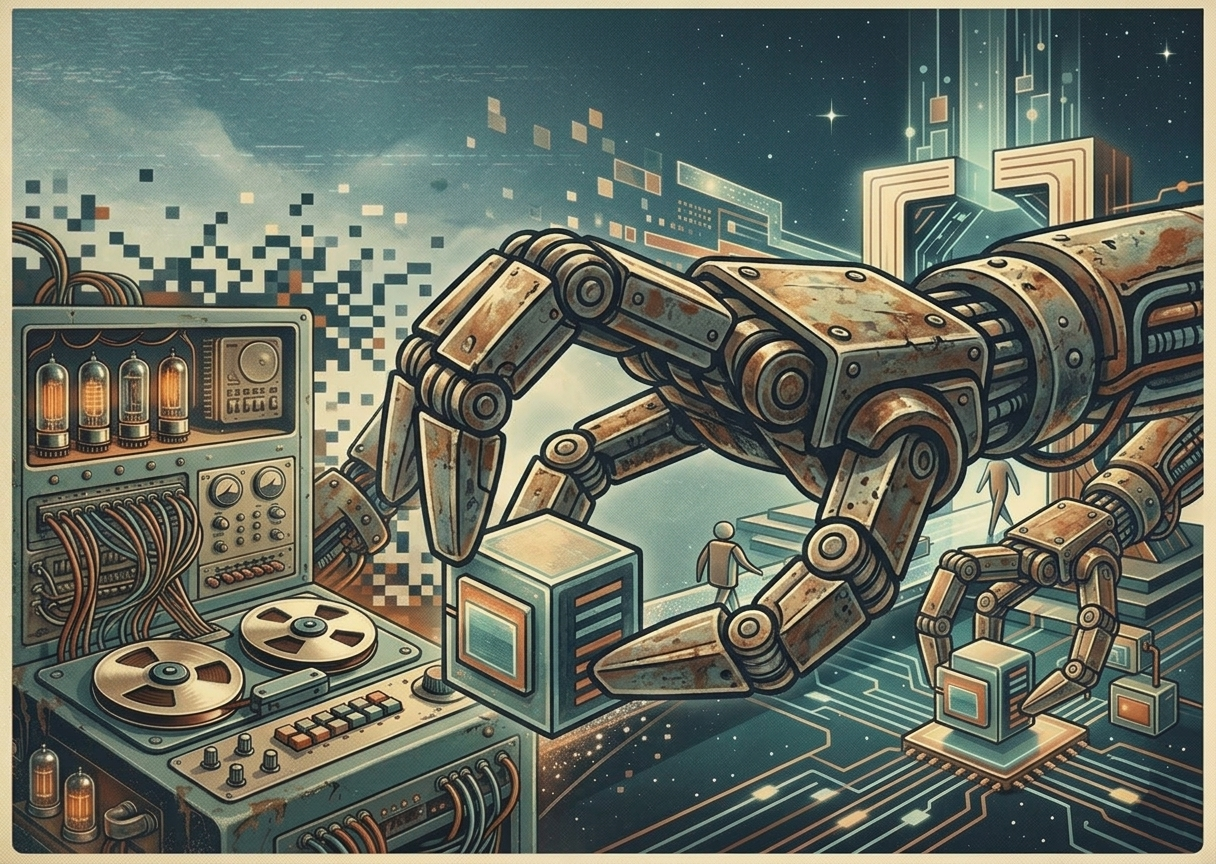
Why OpenClaw is the (Beginning) of the End of the Web as We Know It
The web is moving from Pixels to Protocols, and OpenClaw is the engine driving this transition. As we shift from traditional "search and click" e-commerce to a world of Agentic Commerce, we are witnessing the end of the Product Detail Page and the rise of the autonomous digital worker. This post breaks down why this local-first, open-source framework is a game-changer for data sovereignty and interoperability—and why its current "Wild West" security flaws mean you need a serious seatbelt before you get behind the wheel.

Beyond the Better Mousetrap: Why the Real Leap Isn't a Protocol, It’s a Proxy
We need to stop polishing the "pipes" of technical protocols and start engineering autonomous delegates that actually get things done. While we obsess over how AI asks for data, we’re missing the real leap: giving agents the authority to negotiate, settle, and solve problems without hand-holding. A faster shovel doesn't matter if you're still digging the same holes; the future belongs to those who define the mission, not the mechanics. If you can’t clearly articulate the outcome you want, no amount of sophisticated tech will save you from mediocrity.

The Death of the PDP: Why the Model Context Protocol (MCP) is the New Storefront
The Product Detail Page is a dying relic of a "pull" economy that forces humans to act like search engines. We are crashing into an "Outcome" economy where AI agents—not people—are the primary shoppers, rendering your billion-dollar CRO and hero images irrelevant. If your brand isn't accessible via the Model Context Protocol (MCP), you’re effectively invisible to the only "customers" that matter: the delegates solving problems in real-time. Stop building pretty destinations for clicks and start building high-fidelity data protocols for results, because the era of the storefront is over.